
admin
-
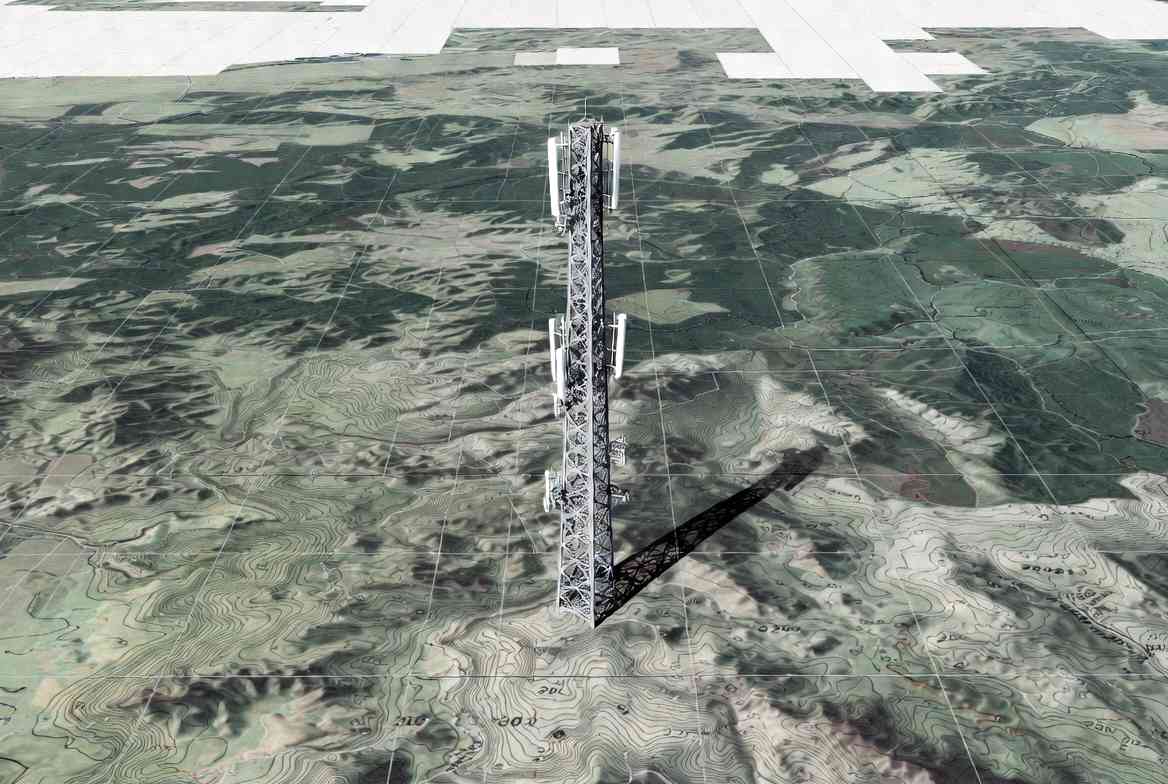
I'm starting a mast-building project—what do you need to know to help me?
Read more: I'm starting a mast-building project—what do you need to know to help me?The construction of telecommunications towers and masts is a highly specialized field. In Poland, only a dozen or so companies carry out this work independently, while several dozen others operate by subcontracting to the actual manufacturers. Due to the narrow scope of specialization, most designers, architects, and civil engineers do not have extensive experience with this type of project. This post aims to clearly and concisely present…
-
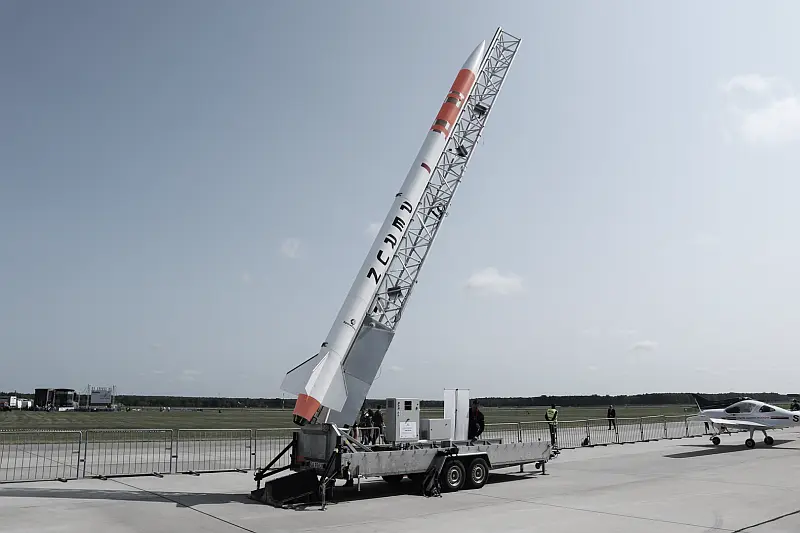
Cooperation with SpaceForest
Read more: Cooperation with SpaceForestIn 2019, we established an interesting cooperation with the then emerging company SpaceForest. Based on their internal design, we made - in accordance with our specialty - the truss of the Perun rocket launcher. Made to "space" standards, the truss was created from a special grade of hardened AW6082 aluminum and extra-thick tubes for high stiffness at the crucial moment of highest load at launch. An interesting feature...
-
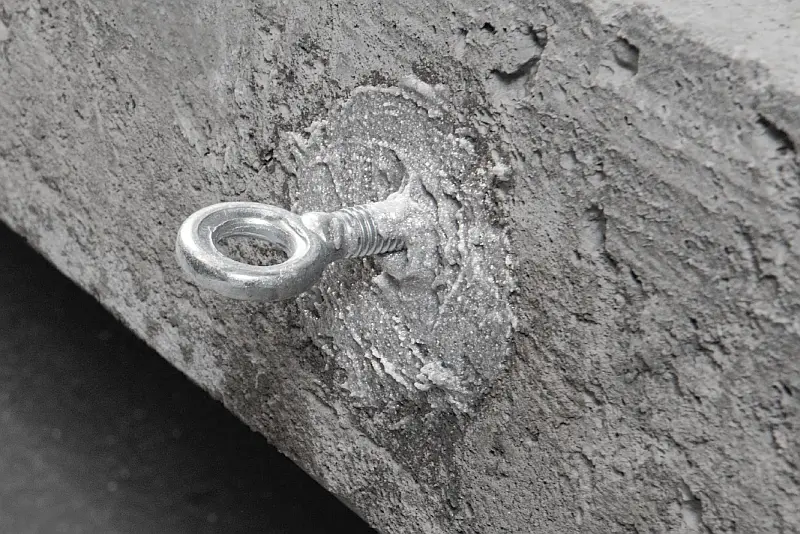
Assembly for chemical anchors - description of the technique
Read more: Assembly for chemical anchors - description of the technique.Most of our wall-mounted masts are installed using chemical anchors and threaded rods. This is a very convenient and durable method, though it is sensitive to installation errors. The forces acting on the bolts—especially for taller and more heavily loaded masts—can reach values measured in metric tons, so the quality of the mounting is crucial. General note: if you are not a professional installer…
-
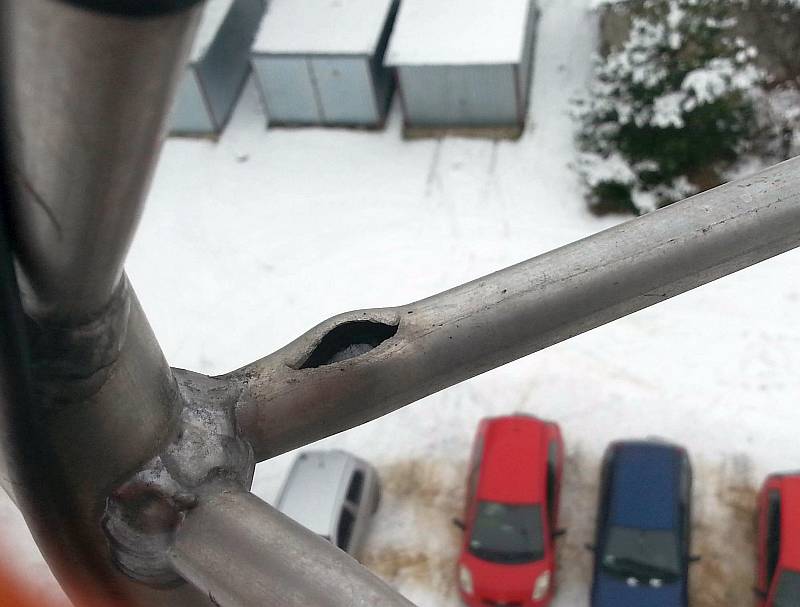
How to avoid frost cracks and their consequences?
Read more: How to avoid frost cracks and their consequences?AluPro masts offer a lifetime warranty against frost cracking, a problem that often leads to the need to replace the mast. A special drainage system and markings on the masts minimize the risk of damage, and if necessary, the manufacturer covers the cost of replacing damaged segments. AluPro ensures not only durability, but also safe installation.
-
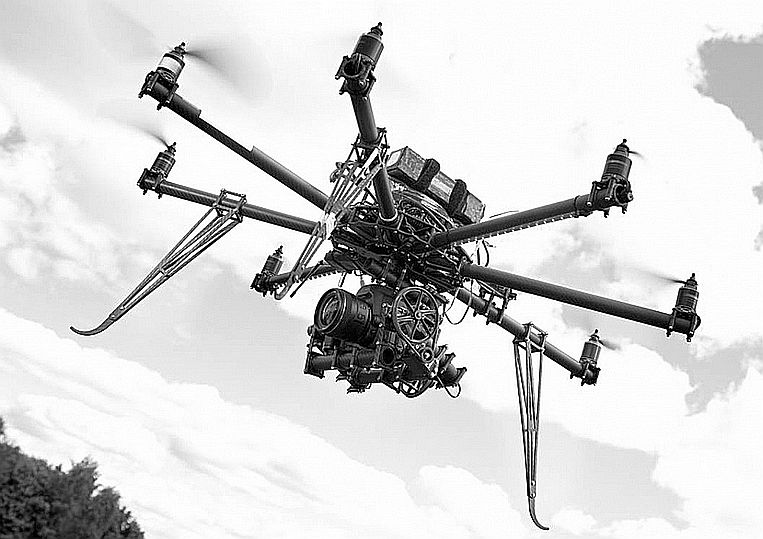
Optimization of the height of masts for the radio link.
Read more: Optimization of the height of masts for the radio link.Designing a radio link network requires ensuring visibility between antennas and the presence of an unobstructed Fresnel zone. Altitude maps, drones and meteorological balloons are used for field verification. The price of the service is PLN 3,200 net per day.
-
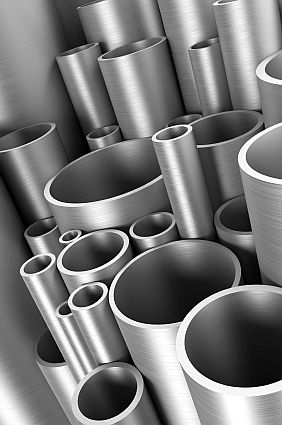
Stainless steel – What types?
Read more: Stainless steel – What types?Some of our structures can be equipped with stainless steel fittings for an additional fee. Have you ever wondered what this means in practice? Commercially, we distinguish between two “levels” of stainless steel. Here’s how to understand them (based on the marmech.eu website). Stainless steel—a general term for a group of corrosion-resistant steels. More specifically, we can divide them into corrosion-resistant steels and acid-resistant steels.…
-
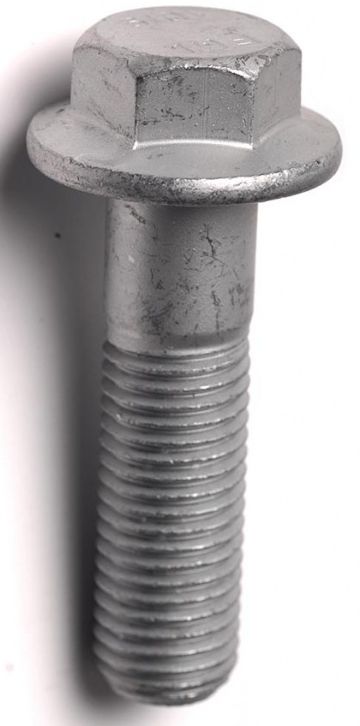
Screw Classes – how to understand them and why are they important?
Read more: Screw Classes – how to understand them and why are they important?In the mast industry, the standard is flange connections dependent on the bolt class, which determines their tensile strength and ductility. The bolt classification, described by two-digit symbols, informs about their maximum load in relation to the cross-section.
-
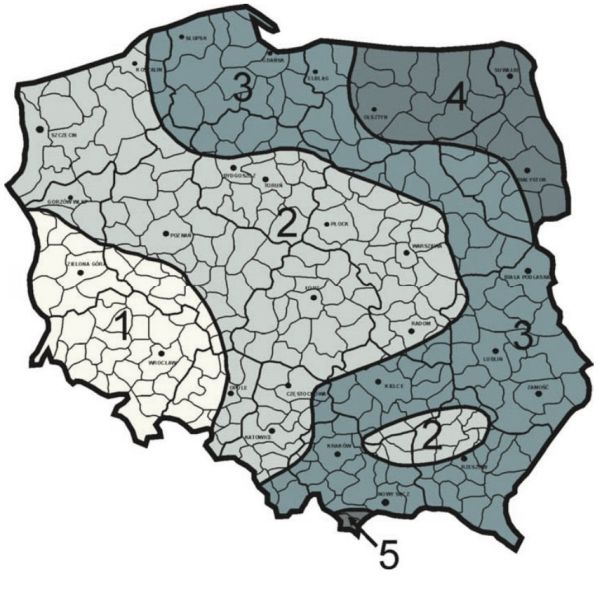
Reactions to building structure – what should I know?
Read more: Reactions to building construction – what should I know?Customers often wonder why the mast attachment is more expensive than the mast itself. The values of the tearing and driving forces in the roof quoted in the static calculations show how important proper anchoring is, which often requires major construction work and specialist solutions, individually adapted to each building.
-
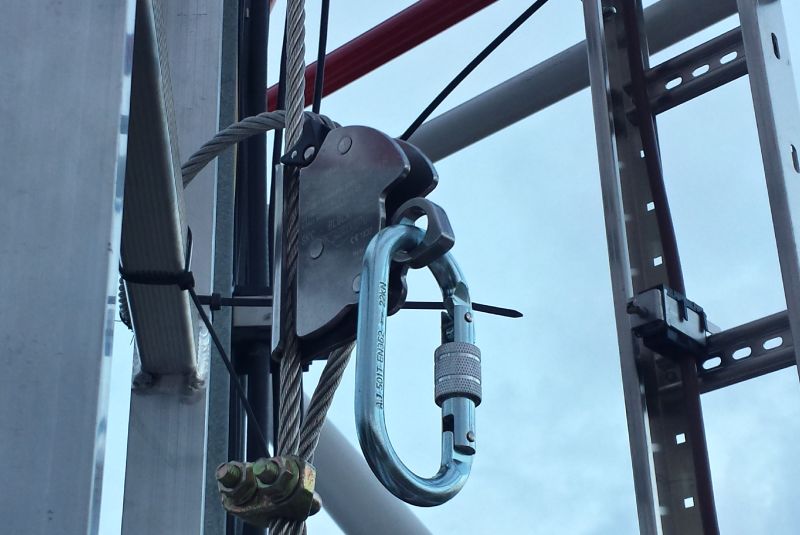
Anti-fall system – what is it and how does it work?
Read more: Anti-fall system – what is it and how does it work?Working on towers and masts can be dangerous. Manufacturers’ recommendations are clear: work at heights should not be performed when wind speeds exceed 5 m/s. Safety harnesses or mountaineering harnesses are helpful in everyday work—they significantly increase safety, albeit at the expense of comfort. Changing position on a mast is particularly cumbersome: every step requires repositioning the lanyard, which in practice leads even experienced…
-
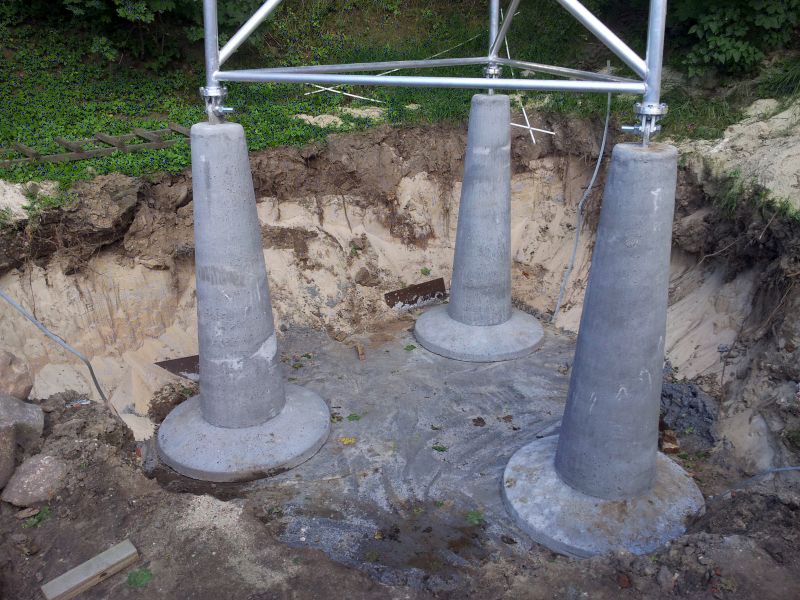
I am putting a mast/tower on the ground – how should I foundation it?
Read more: I am putting a mast/tower on the ground – how should I foundation it?The general rule is that a foundation should not extend below the groundwater level. If the groundwater table is shallow, the most common solution is a foundation slab weighted down with earth fill or shallowly buried precast elements (so-called “mushrooms” from the F series, e.g., those manufactured by Elbud Gdańsk). Cast-in-place slabs are also used in mountainous areas, where just below the ground surface there are…
Subscribe
Log in with your email address to receive our newsletter (quarterly)
Latest questions and answers
- I'm starting a mast-building project—what do you need to know to help me?
- Cooperation with SpaceForest
- Assembly for chemical anchors - description of the technique
- How to avoid frost cracks and their consequences?
- Optimization of the height of masts for the radio link.
Question categories
- Prices (1)
- For architects (9)
- Stage Constructions (3)
- Materials science (6)
- Metallurgy (5)
- What's new in production (2)
- Law (4)
- Questions and Answers (23)
- Radio communication (5)
- Technologie (15)