
Technologies
-
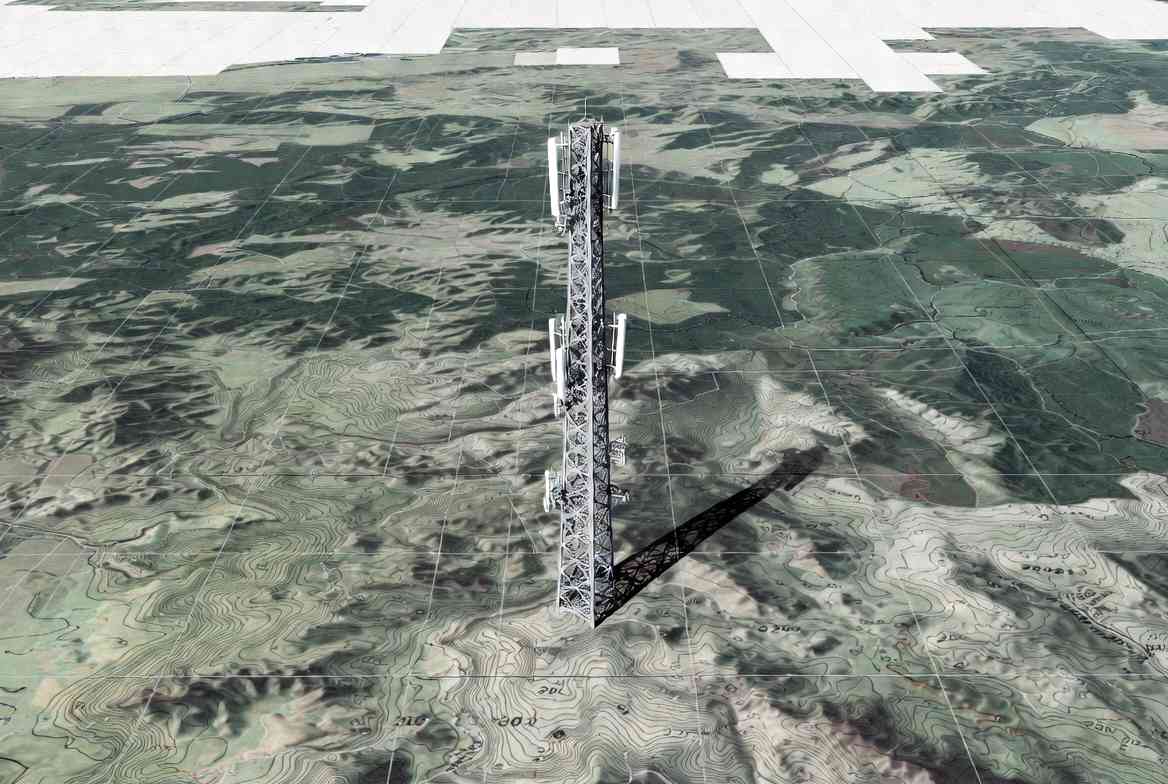
I'm starting a mast-building project—what do you need to know to help me?
Read more: I'm starting a mast-building project—what do you need to know to help me?The construction of telecommunications towers and masts is a highly specialized field. In Poland, only a dozen or so companies carry out this work independently, while several dozen others operate by subcontracting to the actual manufacturers. Due to the narrow scope of specialization, most designers, architects, and civil engineers do not have extensive experience with this type of project. This post aims to clearly and concisely present…
-
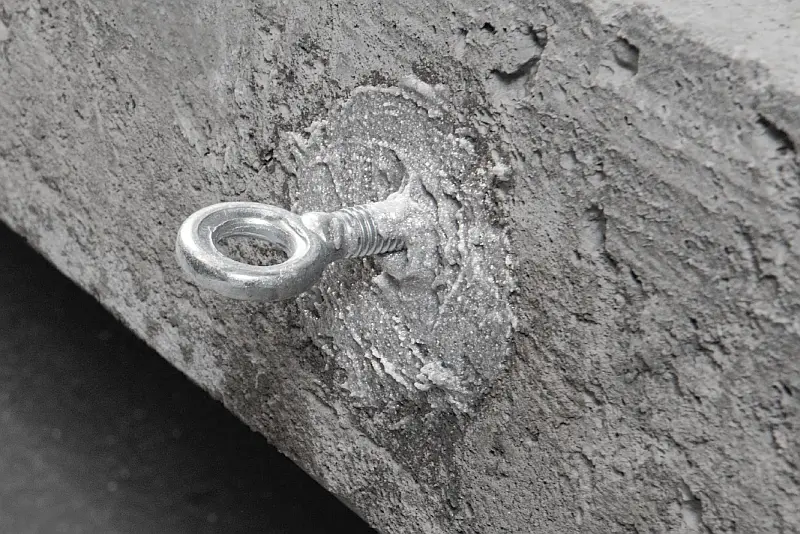
Assembly for chemical anchors - description of the technique
Read more: Assembly for chemical anchors - description of the technique.Most of our wall-mounted masts are installed using chemical anchors and threaded rods. This is a very convenient and durable method, though it is sensitive to installation errors. The forces acting on the bolts—especially for taller and more heavily loaded masts—can reach values measured in metric tons, so the quality of the mounting is crucial. General note: if you are not a professional installer…
-
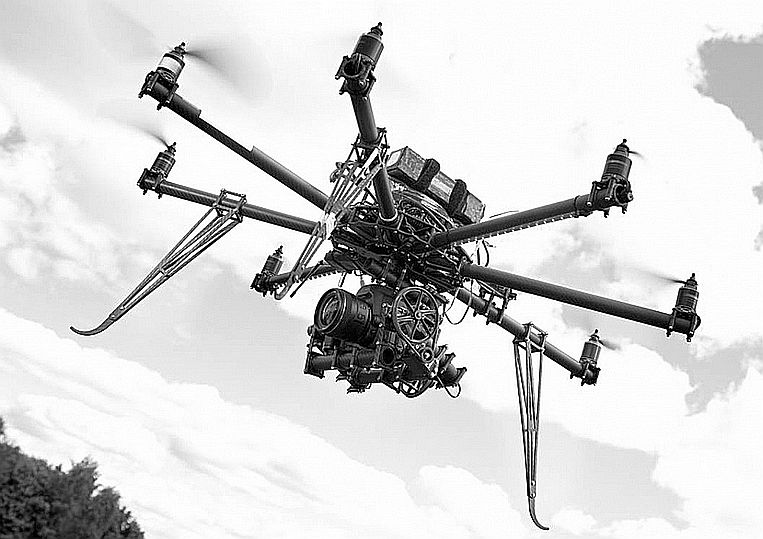
Optimization of the height of masts for a radio link.
Read more: Optimization of the height of masts for the radio link.Designing a radio link network requires ensuring visibility between antennas and the presence of an unobstructed Fresnel zone. Altitude maps, drones and meteorological balloons are used for field verification. The price of the service is PLN 3,200 net per day.
-
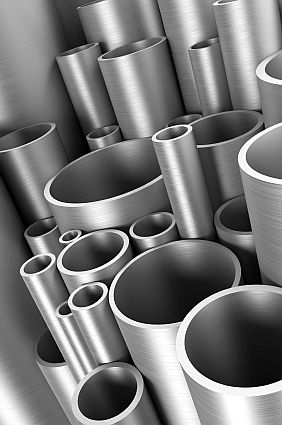
Stainless steel – What grades?
Read more: Stainless steel – What grades?Some of our structures can be equipped with stainless steel fittings for an additional fee. Have you ever wondered what this means in practice? Commercially, we distinguish between two “levels” of stainless steel. Here’s how to understand them (based on the marmech.eu website). Stainless steel—a general term for a group of corrosion-resistant steels. More specifically, we can divide them into corrosion-resistant steels and acid-resistant steels.…
-
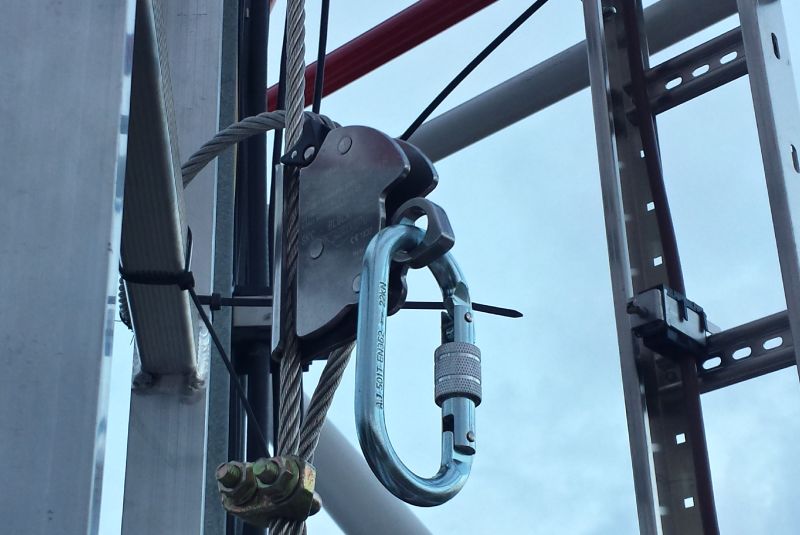
Anti-fall system – what is it and how does it work?
Read more: Anti-fall system – what is it and how does it work?Working on towers and masts can be dangerous. Manufacturers’ recommendations are clear: work at heights should not be performed when wind speeds exceed 5 m/s. Safety harnesses or mountaineering harnesses are helpful in everyday work—they significantly increase safety, albeit at the expense of comfort. Changing position on a mast is particularly cumbersome: every step requires repositioning the lanyard, which in practice leads even experienced…
-
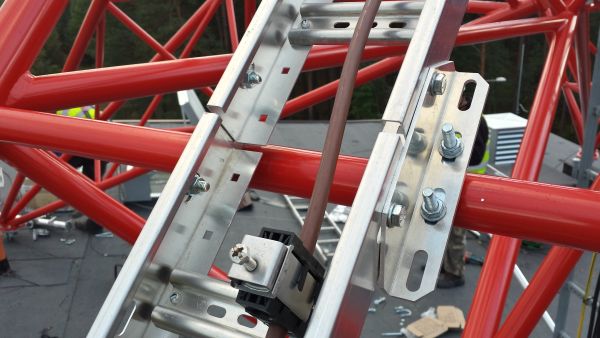
How to remove lightning from a mast safely? Basic knowledge.
Read more: How to remove lightning from a mast safely? Basic knowledge.When installing lightning protection for telecommunications masts, three main issues must be taken into account. In our opinion, the best and most cost-effective way to dissipate the electrical charge is through the structure of the mast or lattice tower itself. AluPro products are equipped with a special eyelet in the lowest segment, which allows the entire structure to be connected to the building’s lightning protection system. For painted structures, be sure to remove…
-
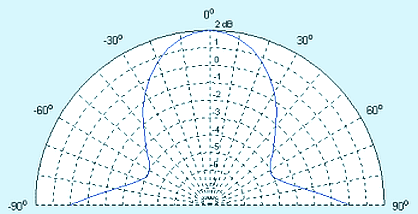
Do I have to report radio wave emissions to any department (e.g. environment)?
Read more: Do I have to report radio wave emissions to some department (e.g. environment)?Updated: September 2026 · Legal status: August 2026 Short answer: Not to the environmental department. To the county administrator—yes, if the installation’s EIRP is 15 W or more. And this is a completely different requirement than the one discussed a few years ago. What has changed? Until June 2022, radio communication, radio navigation, and radar installations were listed…
-
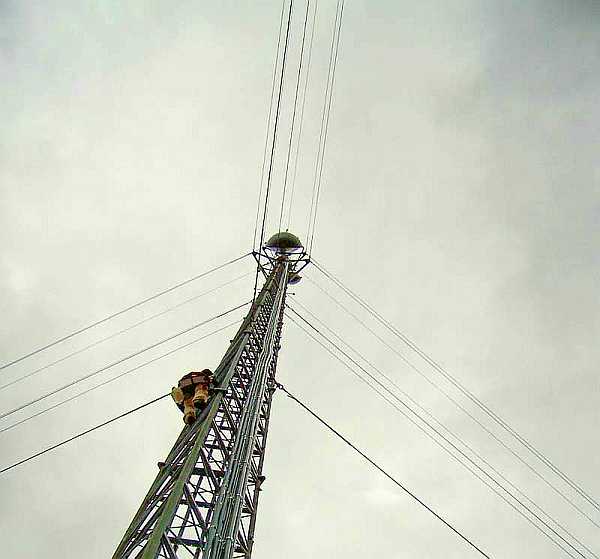
How to properly arrange mast lashings?
Read more: How to properly arrange the mast lashings?The general rule is that guy wires should be arranged symmetrically—in three-cord masts, every 120° in the horizontal plane. As for the distance of the anchor point from the mast axis in the horizontal plane, it is assumed that it cannot be less than half the height of the mast. For example, for a 50-meter mast, the anchor point for the guy wires should be no closer than 25…
-

How do you safely install antennas on a mast?
Read more: How can I safely install antennas on a mast?A telecommunications tower, like any truss, has node points that are its strongest areas. It is best to apply any forces in the vicinity of these points, as this minimizes the risk of localized damage to the structure. This is important in practice when installing additional guy wires, securing ropes during the rotational erection of a tower, and when selecting anchor points for antenna booms. A node is a point…
-
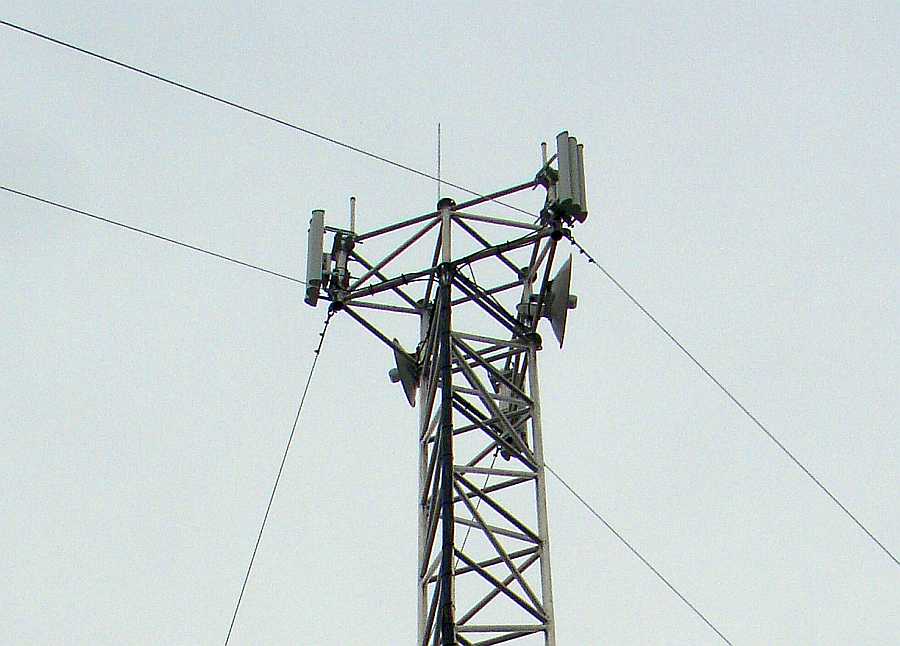
What is the separation crown used for?
Read more: What is the separation crown used for?The separation ring serves two purposes. The first is to physically separate the transmitting antennas—such as sector antennas—from one another. Antennas emit back radiation, which can lead to interference and signal disruption. Since the strength of the electromagnetic field decreases with the square of the distance, even a small separation significantly reduces the mutual interference between antennas. It is worth checking the device specifications to determine the minimum…
Latest questions and answers
- I'm starting a mast-building project—what do you need to know to help me?
- Cooperation with SpaceForest
- Assembly for chemical anchors - description of the technique
- How to avoid frost cracks and their consequences?
- Optimization of the height of masts for a radio link.
Question categories
- Prices (1)
- For architects (9)
- Stage Structures (3)
- Materials science (6)
- Metallurgy (5)
- New in production (2)
- Law (4)
- Questions & Answers (23)
- Radio communication (5)
- Technologies (15)