
admin
-

What makes some masts more expensive and others cheaper, where does the price come from?
Read more: What makes some masts more expensive and others cheaper, where does the price come from?The price of a mast is determined by three main factors: material cost, production time, and the quality of workmanship. At AluPro, we prioritize the highest quality—we do not strive to be the cheapest on the market at the expense of workmanship and safety. The cost of aluminum—the primary structural material used at AluPro—is subject to dynamic changes. In just one year, the wholesale price of the material has risen…
-
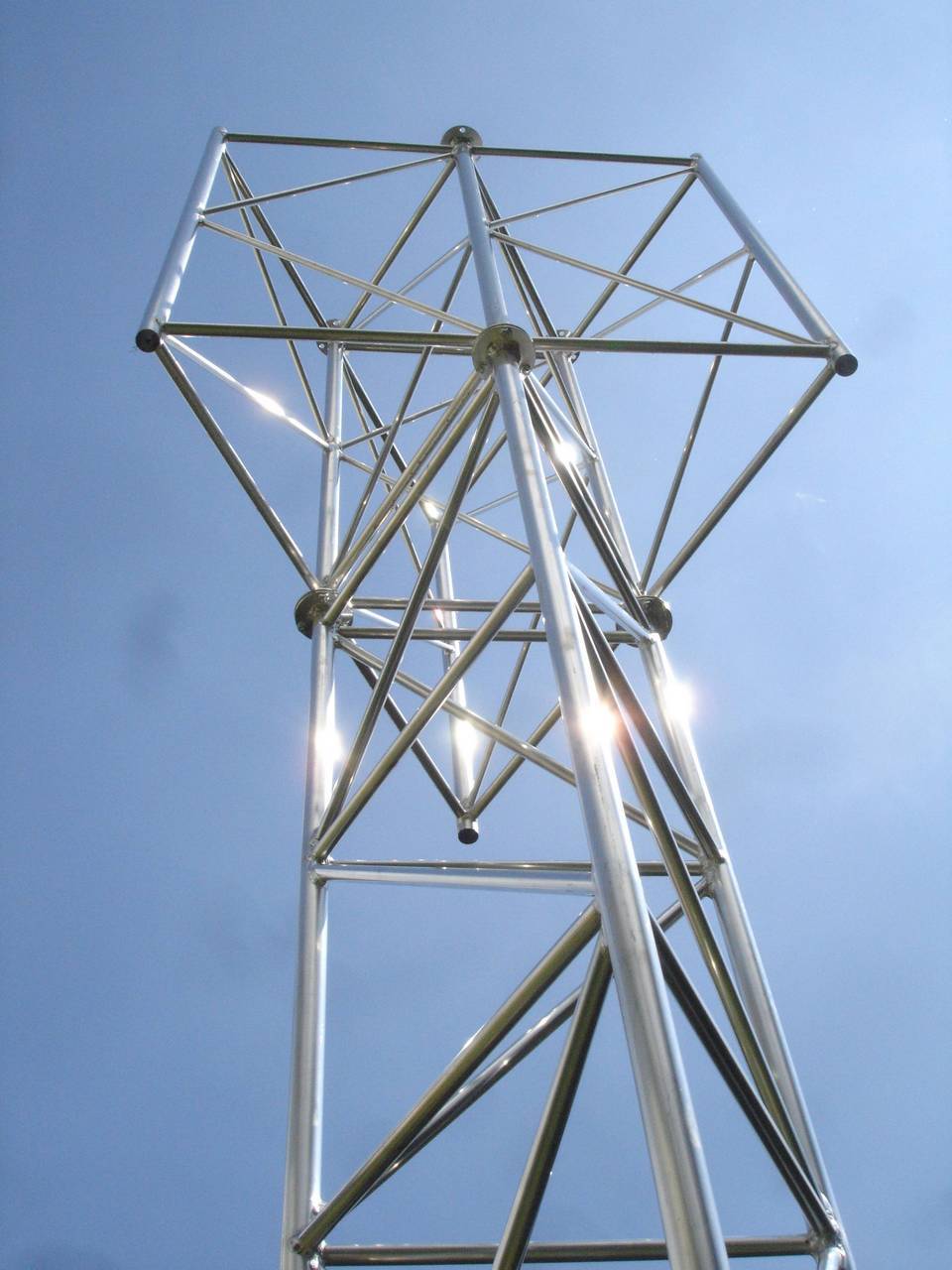
Are there any antennas for which the stiffness of the mast structure is of particular importance?
Read more: Are there any antennas for which the stiffness of the mast structure is of particular importance?Yes—these are primarily all types of radio links and satellite links, characterized by a focused and directional transmission beam. With a standard deviation from the vertical of 1:100 of the height, on a 30-meter-high mast, the displacement of the top reaches 30 cm. Over a distance of several kilometers, this results in a deviation of several hundred meters in the antenna axes, which directly affects the quality of the link.…
-

How to choose the height of a mast or tower to suit our needs (the case of a radio link)?
Read more: How to choose the height of a mast or tower to suit our needs (the case of a radio link)?In telecommunications, optimal antenna placement is determined by Fresnel zones, which ensure that their area is free from obstacles and minimize energy losses.
-
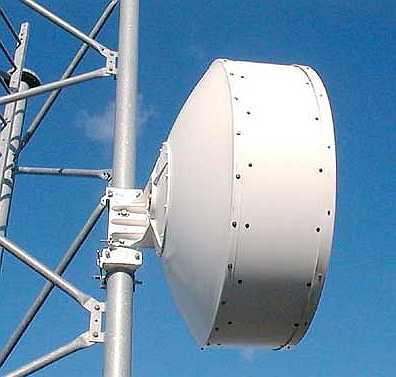
How do I choose the right type of mast or tower for my antenna setup?
Read more: How do I choose the right type of mast or tower for my antenna setup?Both masts and towers are highly resistant to vertical loads. Customers often ask us whether a mast can support a specific amount of equipment (expressed in kilograms). The answer is almost always yes—because, for the structural stability of mast designs, the total lateral surface area of the installed antennas is much more important than the weight. A mast acts like a sail, generating large lift forces…
-
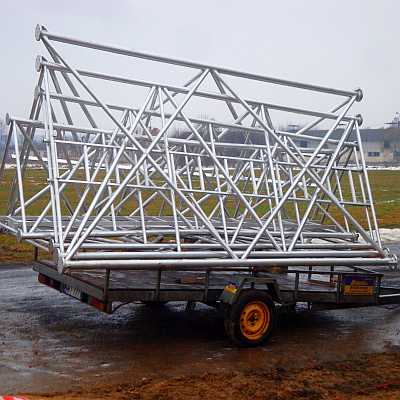
Folding or welded tower?
Read more: Folding or welded tower?Large telecommunications towers pose logistical challenges during delivery—their lower segments are spatial structures with cross-sections up to several meters wide. Most towers available on the market are hybrid solutions: the lower segments are assembled on site from individual pipes, while the upper segments are factory-welded. This approach minimizes the volume of cargo during transport, but increases the total cost…
-

What to choose – mast or tower?
Read more: What to choose – mast or tower?The main difference between masts and towers is ease of use and the amount of space required for installation. There is also an important economic aspect: towers are generally more expensive but take up significantly less space—while masts are cheaper but require a plot large enough to accommodate the entire guy wire system. Masts require periodic inspections and checks of the cable tension, and in the event that…
Subscribe
Log in with your email address to receive our newsletter (quarterly)
Latest questions and answers
- I'm starting a mast-building project—what do you need to know to help me?
- Cooperation with SpaceForest
- Assembly for chemical anchors - description of the technique
- How to avoid frost cracks and their consequences?
- Optimization of the height of masts for the radio link.
Question categories
- Prices (1)
- For architects (9)
- Stage Constructions (3)
- Materials science (6)
- Metallurgy (5)
- What's new in production (2)
- Law (4)
- Questions and Answers (23)
- Radio communication (5)
- Technologie (15)