
what to buy?
-
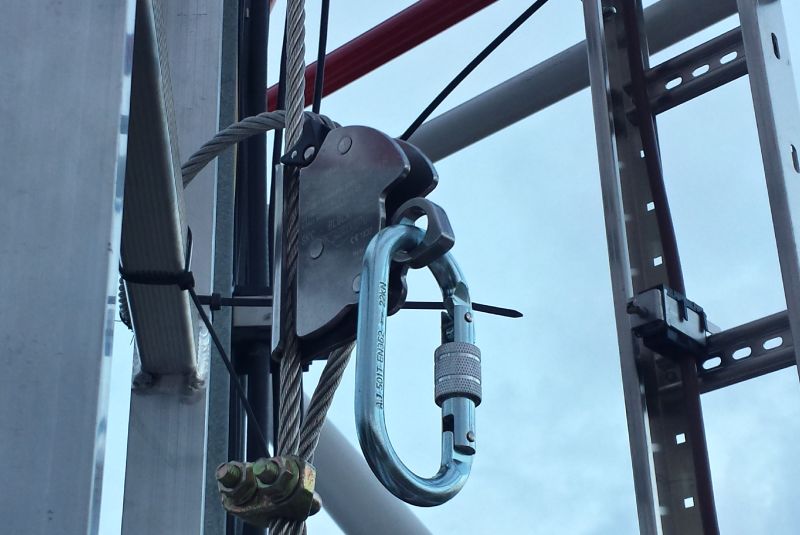
Anti-fall system – what is it and how does it work?
Read more: Anti-fall system – what is it and how does it work?Working on towers and masts can be dangerous. Manufacturers’ recommendations are clear: work at heights should not be performed when wind speeds exceed 5 m/s. Safety harnesses or mountaineering harnesses are helpful in everyday work—they significantly increase safety, albeit at the expense of comfort. Changing position on a mast is particularly cumbersome: every step requires repositioning the lanyard, which in practice leads even experienced…
-
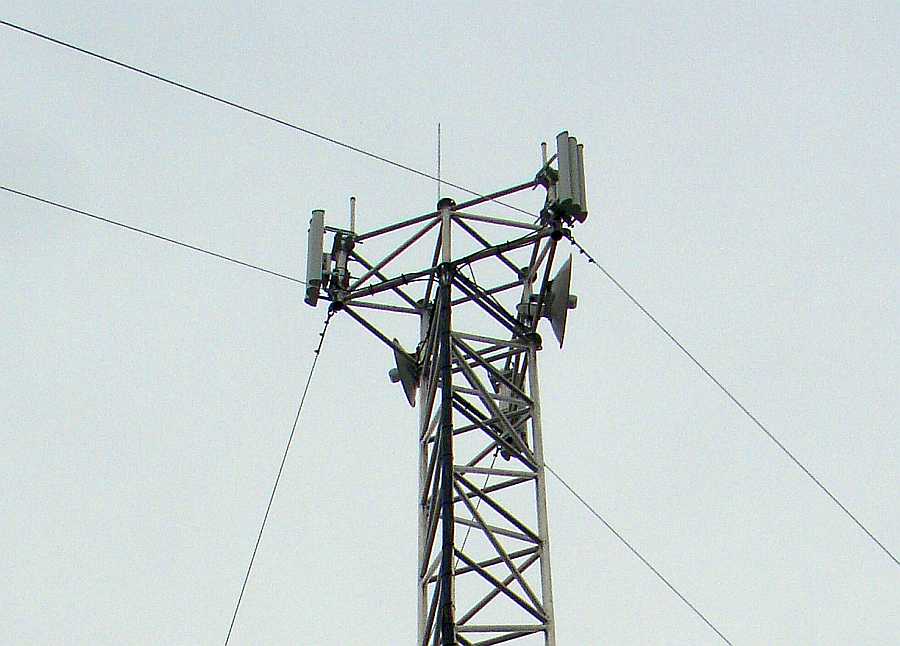
What is the separation crown used for?
Read more: What is the separation crown used for?The separation ring serves two purposes. The first is to physically separate the transmitting antennas—such as sector antennas—from one another. Antennas emit back radiation, which can lead to interference and signal disruption. Since the strength of the electromagnetic field decreases with the square of the distance, even a small separation significantly reduces the mutual interference between antennas. It is worth checking the device specifications to determine the minimum…
-

What makes some masts more expensive and others cheaper, where does the price come from?
Read more: What makes some masts more expensive and others cheaper, where does the price come from?The price of a mast is determined by three main factors: material cost, production time, and the quality of workmanship. At AluPro, we prioritize the highest quality—we do not strive to be the cheapest on the market at the expense of workmanship and safety. The cost of aluminum—the primary structural material used at AluPro—is subject to dynamic changes. In just one year, the wholesale price of the material has risen…
-

What to choose – mast or tower?
Read more: What to choose – mast or tower?The main difference between masts and towers is ease of use and the amount of space required for installation. There is also an important economic aspect: towers are generally more expensive but take up significantly less space—while masts are cheaper but require a plot large enough to accommodate the entire guy wire system. Masts require periodic inspections and checks of the cable tension, and in the event that…
Latest questions and answers
- I'm starting a mast-building project—what do you need to know to help me?
- Cooperation with SpaceForest
- Assembly for chemical anchors - description of the technique
- How to avoid frost cracks and their consequences?
- Optimization of the height of masts for a radio link.
Question categories
- Prices (1)
- For architects (9)
- Stage Structures (3)
- Materials science (6)
- Metallurgy (5)
- New in production (2)
- Law (4)
- Questions & Answers (23)
- Radio communication (5)
- Technologies (15)