
antenna size
-
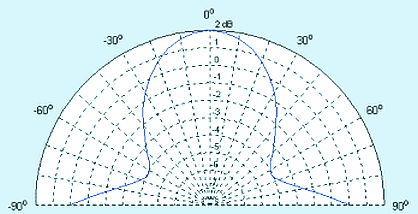
Do I have to report radio wave emissions to any department (e.g. environment)?
Read more: Do I have to report radio wave emissions to some department (e.g. environment)?Updated: September 2026 · Legal status: August 2026 Short answer: Not to the environmental department. To the county administrator—yes, if the installation’s EIRP is 15 W or more. And this is a completely different requirement than the one discussed a few years ago. What has changed? Until June 2022, radio communication, radio navigation, and radar installations were listed…
-
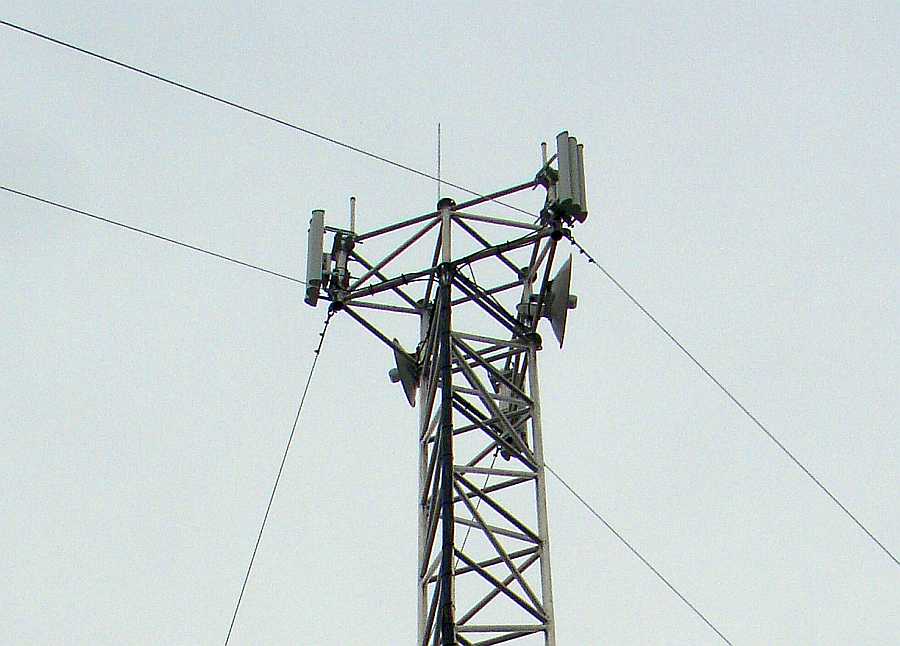
What is the separation crown used for?
Read more: What is the separation crown used for?The separation ring serves two purposes. The first is to physically separate the transmitting antennas—such as sector antennas—from one another. Antennas emit back radiation, which can lead to interference and signal disruption. Since the strength of the electromagnetic field decreases with the square of the distance, even a small separation significantly reduces the mutual interference between antennas. It is worth checking the device specifications to determine the minimum…
-

How to choose the height of the mast or tower to suit our needs (radio link case)?
Read more: How to choose the height of the mast or tower to suit our needs (radio link case)?In telecommunications, the optimal placement of antennas is determined by Fresnel zones, which ensure the absence of obstacles in their area and minimize energy losses.
-
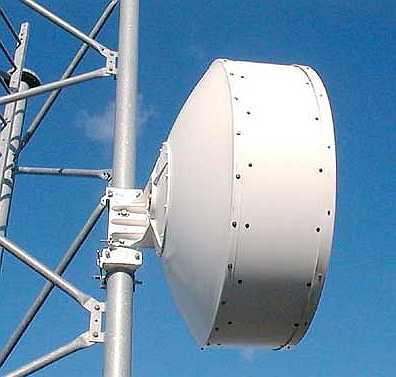
How do I choose the right type of mast or tower for my antenna set?
Read more: How do I choose the right type of mast or tower for my antenna set?Both masts and towers are highly resistant to vertical loads. Customers often ask us whether a mast can support a specific amount of equipment (expressed in kilograms). The answer is almost always yes—because, for the structural stability of mast designs, the total lateral surface area of the installed antennas is much more important than the weight. A mast acts like a sail, generating large lift forces…
Latest questions and answers
- I'm starting a mast-building project—what do you need to know to help me?
- Cooperation with SpaceForest
- Assembly for chemical anchors - description of the technique
- How to avoid frost cracks and their consequences?
- Optimization of the height of masts for a radio link.
Question categories
- Prices (1)
- For architects (9)
- Stage Structures (3)
- Materials science (6)
- Metallurgy (5)
- New in production (2)
- Law (4)
- Questions & Answers (23)
- Radio communication (5)
- Technologies (15)