
mast height
-
Reactions to building structure – what should I know?
Read more: Reactions to building construction – what should I know?Customers often wonder why the mast attachment is more expensive than the mast itself. The values of the tearing and driving forces in the roof quoted in the static calculations show how important proper anchoring is, which often requires major construction work and specialist solutions, individually adapted to each building.
-

Do I have to paint my mast with red and white stripes?
Read more: Do I have to paint my mast with red and white stripes?Updated: September 2026 · Legal status: August 2026 The marking of a mast—including its paint scheme and lights—is determined by regulations governing aviation obstacles, not by its height alone, regardless of its location. A previous version of this post cited a 2003 regulation that has since been repealed; the thresholds we listed there are no longer in effect. When a mast is an obstacle…
-
The county office is waiting for a building permit for a mast on the building—is it right to do so?
Read more: The county office is waiting for a building permit for a mast on the building—is it right to do so?Updated: September 2026 · Legal status: August 2026 It depends on the height of the structure and whether the installation interferes with the building’s structure. The old ruling we cited here (Provincial Administrative Court in Gdańsk, II SA/Gd 329/14) was based on a numbering system for the provisions that is no longer in effect following the 2020 amendment—which is why we are describing the current situation.…
-

Does the mast require a building permit?
Read more: Does the mast require a building permit?Masts under 3 metres do not require a permit. Masts over 3 metres on buildings are subject to notification unless local regulations require a building permit.
-
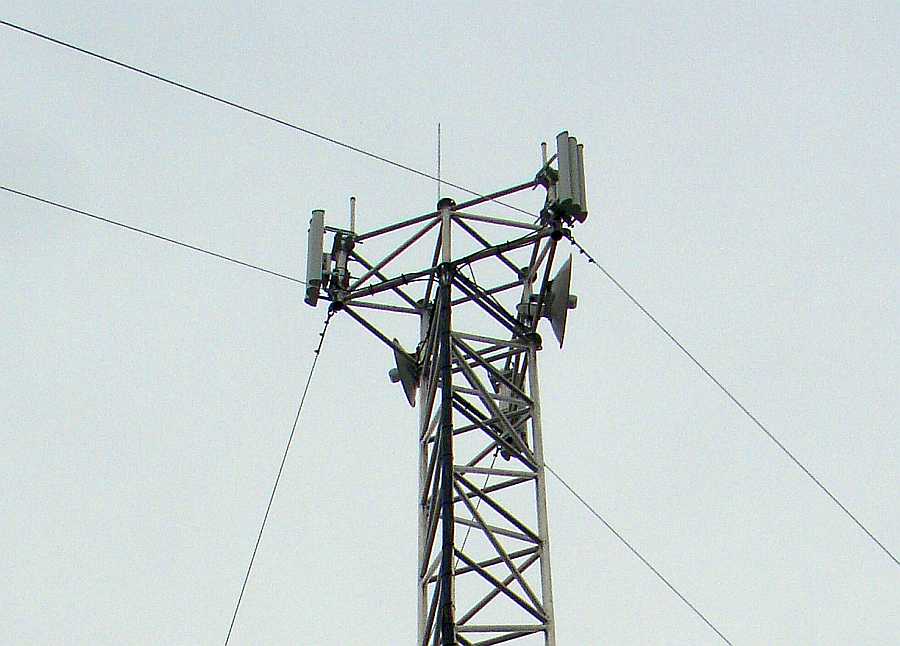
What is the separation crown used for?
Read more: What is the separation crown used for?The separation ring serves two purposes. The first is to physically separate the transmitting antennas—such as sector antennas—from one another. Antennas emit back radiation, which can lead to interference and signal disruption. Since the strength of the electromagnetic field decreases with the square of the distance, even a small separation significantly reduces the mutual interference between antennas. It is worth checking the device specifications to determine the minimum…
-

How to choose the height of the mast or tower to suit our needs (radio link case)?
Read more: How to choose the height of the mast or tower to suit our needs (radio link case)?In telecommunications, optimal antenna placement is determined by Fresnel zones, which ensure that their area is free from obstacles and minimize energy losses.
Latest Questions and Answers
- I'm starting a mast-building project—what do you need to know to help me?
- Cooperation with SpaceForest
- Assembly for chemical anchors - description of the technique
- How to avoid frost cracks and their consequences?
- Optimization of the height of masts for a radio link.
Question Categories
- Prices (1)
- For architects (9)
- Stage Structures (3)
- Materials science (6)
- Metallurgy (5)
- New in production (2)
- Law (4)
- Questions & Answers (23)
- Radio communication (5)
- Technologies (15)